


How to Plan Scrap Yarn Projects Without Losing Your Mind

If your yarn stash contains more half-used balls than full skeins, welcome — you’re among friends. Scrap yarn projects sound like a great idea… until you’re surrounded by tangled leftovers, clashing colours, and the creeping feeling that you’re one granny square away from giving up crochet entirely.
The good news? Scrap yarn projects don’t have to be chaotic, ugly, or stressful. With a little planning (and a lot less overthinking), they can be some of the most satisfying crochet you’ll ever do.
Let’s break it down.
What Counts as Scrap Yarn, Anyway?
Scrap yarn is any leftover yarn that’s too small for a full-sized project but too good to throw away. That might include:
- Partial skeins from previous projects
- Small balls left over from colourwork
- Odd bits you “might need one day” (we all do this)
There’s no official size limit. If it doesn’t comfortably make the project you intended it for — congratulations, it’s now scrap yarn.
Scrap Yarn Projects Are About Progress, Not Perfection
Scrap yarn crochet isn’t about making something flawless.
It’s about:
- Using what you already have
- Practising stitches without pressure
- Creating useful, giftable, or donate-able items
- Enjoying the process again
When planned with intention, scrap yarn projects can be some of the most freeing crochet you’ll ever do.
And honestly? Your stash — and your sanity — will thank you.
Why Scrap Yarn Projects Feel So Overwhelming
Before we fix the problem, let’s name it.
Scrap yarn projects feel stressful because:
- There’s no clear plan
- The yarn is all different weights or fibres
- Colour choices feel random
- You’re trying to “use it all” instead of using it well
Scrap yarn crochet goes off the rails when it becomes about guilt instead of intention.
Let’s flip that.

Step 1: Sort First, Plan Second (This Matters)
Do not choose a project first. That’s how the chaos starts.
Instead, sort your scrap yarn into one or more of these simple groups:
Sort by:
- Weight (DK with DK, Aran with Aran, etc.) – this is my preference.
- Fibre type (cotton, acrylic, wool)
- Approximate amount (tiny, small, usable)
You don’t need perfection — just enough clarity to make good decisions.
👉 This one step alone removes about 80% of the stress — and it’s genuinely fun.
Whenever I do this, I always end up rediscovering yarn I’d completely forgotten about. Each scrap suddenly has a little story attached to it — the project it came from, who it was made for, and the look on their face when they opened a handmade gift from me.
It’s surprisingly nostalgic. A bit like scrolling through old photos and reliving those moments, except this time it’s with yarn in your hands and memories wrapped around it.
By the time you’re done, the stash feels lighter, your head feels clearer, and scrap yarn crochet suddenly feels like something to look forward to — not something to dread.
Step 2: Pick ONE Rule for the Project
Scrap projects fall apart when everything is allowed.
Choose one non-negotiable rule, such as:
- One yarn weight only
- One stitch pattern throughout
- One colour family (neutrals, blues, autumn tones)
- One type of item (e.g. only accessories)
Rules don’t limit creativity — they save your sanity.
Step 3: Choose Projects That Forgive Inconsistency
Some crochet projects love scraps. Others absolutely do not.
Scrap-friendly project ideas:
- Blankets (rows, squares, panels)
- Mug rugs and placemats
- Cushions and home décor
- Scarves with planned colour changes
- Donation items (hats, cowls, lap blankets)
Avoid fitted garments or projects that rely heavily on exact gauge unless you enjoy frustration as a hobby.
Step 4: Decide the Colour Strategy Before You Crochet

“Random” only works when it’s planned random.
Try one of these strategies:
- Rotate between light and dark colours
- Use one neutral to anchor brighter scraps
- Change colour every fixed number of rows
- Keep warm and cool tones separate
Lay your yarn out visually before you start. If it looks good on the table, it’ll look good in crochet.
Step 5: Let Go of the Need to Use Every Last Inch
This is the hard truth part (said kindly, but firmly):
You do not need to use every scrap in one project.
Trying to force tiny leftovers into a design often makes the whole thing look messy — and makes you resent the process.
Not to mention all those ends you will have to sew in for the sake of a couple of stitches!
It’s okay to:
- Save the smallest scraps for stuffing or mini projects
- Combine scraps over time, not all at once
- Decide some yarn has done its job and move on
Crochet should feel relaxing — not like a yarn-based guilt trip.
Step 6: Track Only What Actually Helps You (No Spreadsheets Required)
Let’s be honest — not everyone enjoys tracking yarn usage, and that’s completely okay.
I’ll say this upfront: I don’t keep detailed notes, spreadsheets, or running totals of my scrap yarn. I find constantly updating papers or files more frustrating than helpful, and it pulls me out of the joy of crocheting. Of course, if you love a good spreadsheet and record keeping is you jam, then go for it!!
Because my scrap yarn is already sorted by yarn weight, that’s usually all the information I need to get started on a project.
That said, there is one simple thing you might find useful — especially if you like having a rough idea of what you’re working with next time.
A low-effort alternative that actually works:
- Weigh your scrap yarn after finishing a project
- Calculate the approximate yardage remaining
- Clip a small tag with the yardage onto the scrap ball
That way, future-you gets helpful information without the ongoing admin.
No spreadsheets. No constant note-taking. Just a quick check-in at the end when it makes sense.
Scrap yarn projects don’t need micromanaging — they just need enough clarity to keep things moving smoothly. If sorting by weight works for you, that’s more than enough to go on.
Crochet should feel relaxing, not like you’ve assigned yourself homework.
The Simple Formula to Calculate Yarn Yardage by Weight
There are actually two simple ways to calculate the yardage in your scrap yarn, and neither is more “correct” than the other — it really comes down to which makes more sense to your brain.
Option 1: Percentage Method
Take the weight of your scrap yarn, divide it by the weight of a full skein, then multiply that by the total yardage of the skein.
(Weight of scrap yarn ÷ Weight of full skein) × Total yardage
Option 2: Yards-Per-Gram Method (This Is the One I Use)
Take the full skein details and divide the total yardage by the skein weight. This tells you how many yards are in one gram. Then multiply that number by the weight of your scrap yarn.
(Total yardage ÷ Weight of full skein) × Weight of scrap yarn
I personally prefer this second method — once I know how many yards there are per gram, the calculation feels quicker and more intuitive, especially when weighing multiple scrap balls in one sitting.
Both methods give you a reliable estimate, which is exactly what you need for scrap yarn projects.
Scrap Yarn Crochet Patterns to Test Your System (Without Overthinking It)
Once your scrap yarn is sorted and you’ve chosen your “rules”, the best next step is to try a small, forgiving crochet project and see how your system works in real life.
You don’t need a huge commitment project to start. In fact, small, practical makes are ideal scrap yarn crochet projects — they use limited yardage, highlight texture, and let you experiment without pressure.
Here are some types of projects you’ll find on sunflowercottagecrochet.com that work particularly well for stash-busting crochet and are perfect for a test run.
🧶 Textured Crochet Accessories (Low Yarn, Big Payoff)
Crochet earwarmers, cowls, and scarves are some of the best scrap yarn projects for beginners and experienced crocheters alike.
They’re ideal because they:
- Use small to moderate amounts of yarn
- Work best when scraps are sorted by yarn weight
- Rely on texture, not colour perfection
- Make excellent gift or donation crochet items
Check out these free on the blog patterns:
- Bamburgh Breeze Scarf – Written in 10 sizes this pattern is perfect for mixing and matching your colours. It uses basic crochet stitches to create a gorgeous texture.
- Houndstooth Ear Warmer – Grab 2 or more colours to create a gorgeous ear warmer for children and adults that will stand the test of time.
- The Emilia Cowl is written in several sizes from age 3 to adult and with 3 distinct sections is perfect for using multiple colours!
- The Mermaid Dreams Cowl is another one design that really pops when you use multiple colours! Check out all the variations that I made.
These projects are especially useful for testing whether your colour strategy and yarn sorting method feel intuitive before scaling up.
🏡 Small Crochet Scrap Yarn Home Décor Projects (Fast & Satisfying)
If you prefer quick wins, small crochet home décor projects are fantastic for scrap yarn crochet.
Think:
- Crochet mug rugs
- Table runners
- Placemats
These designs:
- Use manageable amounts of scrap yarn
- Benefit from structured stitch patterns
- Are practical, reusable, and giftable
👉 Check out these free on the blog patterns:
- Crochet Angels are not just for Christmas. You can also make these in memory of a loved one. With a complete video tutorial anyone can give these a go!
- The Pomander Mug Rug is a fast project full of texture that works up in no time! I chose rustic colours in a cotton yarn for mine.
- The Kate Basket has been so useful around our house. I have used it for logs, in the bathroom for keeping soaps, washcloths etc in, and in the bedroom to keep the odds and sods that are left lying.
- Talking about washcloths, check out the Farmhouse Washcloth (it’s one of my favourites!)
They’re also brilliant for using cotton scraps and testing how different colours behave next to each other.
🧵 Crochet Blanket Squares & Modular Projects (Try Before You Commit)
Not ready for a full scrap yarn blanket? That’s wise.
Crochet blanket squares and modular projects let you:
- Work with one scrap ball at a time
- Keep yarn weight consistent
- Adjust colour choices as you go
- Stop, change direction, or scale up easily
👉 Check out these free on the blog patterns:
- The Kinship Afghan is a collection of 12 corner to corner blanket squares that celebrate a different international day each month. It was designed specifically to use my part skeins and scraps. Each square is free on the blog post.
- Granny’s Framed with Love Square is a pretty blanket square that you can make time and time again. It also has the potential for a few colours to be used.
- Learn 12 basic Tunisian Crochet stitches with this blanket crochet along. Each square is free on the blog post with video tutorials to help you.
If one square doesn’t quite work, nothing is wasted — you’ve tested your system and learned something useful without derailing an entire project.
❤️ Donation-Friendly Scrap Yarn Crochet Projects (Purpose Without Pressure)
Scrap yarn projects are especially powerful when paired with charity crochet.
Simple hats, scarves, cowls, and blankets made from sorted scraps are:
- Practical and appreciated
- Less focused on perfection
- A meaningful way to use leftover yarn
👉 Check out these free on the blog patterns:
- With 11 free hats and 11 free scarves the From Us to You Donation Challenge in 2025 was fantastic! Each pattern is free on the blog post.
- If you are looking for something suitable for preemie babies then check out my Preemie Crochet Challenge – each year there are lots and lots of patterns highlighted here from blankets to hats, cardigans and more!
- The Keyhole Scarf is a smaller textured scarf that really lends itself to being able to use multiple colours.
This approach removes the pressure to make everything “match” and keeps scrap yarn crochet enjoyable.
Start Small. Learn Fast. Scale When Ready.
The goal of scrap yarn crochet isn’t to use everything at once.
It’s to:
- Test whether your sorting method works
- See if your colour rules hold up in practice
- Build confidence in your system
Once that feels comfortable, larger scrap yarn projects — like blankets — become far less intimidating.
If you’re looking for beginner-friendly, texture-rich crochet patterns that work beautifully with scrap yarn, you’ll find plenty of options throughout sunflowercottagecrochet.com to help you get started.
Because the best scrap yarn system isn’t the most complicated one — it’s the one that gets you crocheting again without the stress 🧶😉
Want More Scrap-Friendly Crochet Ideas?
If you’re ready to put your scrap yarn to work without the stress, keep an eye on my blog for practical, beginner-friendly crochet projects that make the most of what you already have.
Because yarn should spark joy — not mild panic 😉
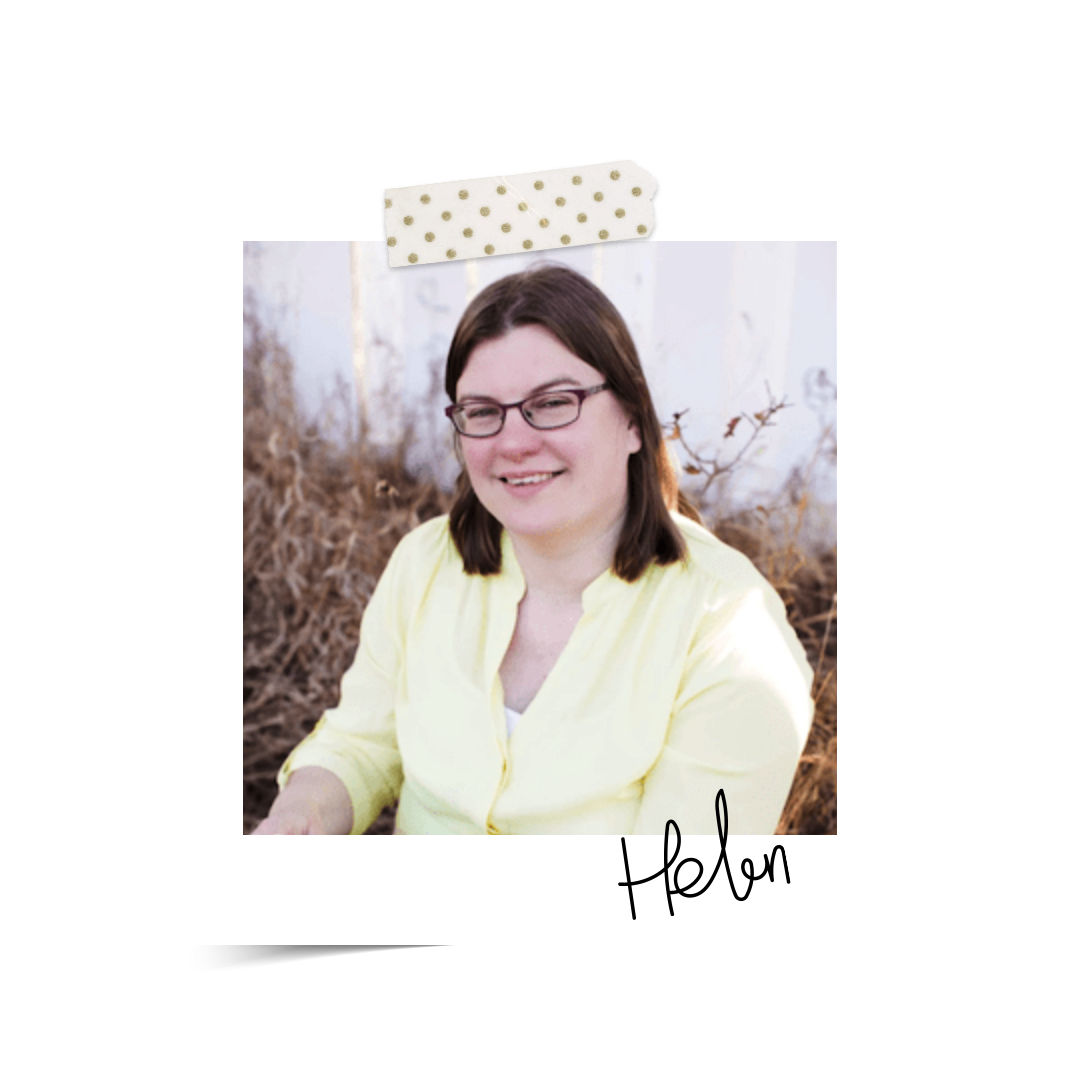
Hi! I’m Helen
I live on the north-east coast of England, UK. I am a mum and wife and enjoy reading and quilting. I started crocheting at 14 years old.
Sunflower Cottage Crochet is dedicated to empowering crocheters of all levels. I provide modern, easy-to-follow crochet patterns and video tutorials that make learning new techniques simple and accessible. My mission is to empower crocheters in their creativity, enabling them to confidently create beautiful projects no matter where they’re at in their journey. Whether it's a beginner seeking out the basics or an experienced enthusiast looking to level up their skills. My vision is for every user to experience the joy of mastering creative expression through crochet!


