


10 Crochet Tips That Will Make You a Better Crocheter

(Simple Habits Every Beginner Should Learn)
Struggling with uneven stitches or constant mistakes? These simple crochet tips will help you build better habits, improve your skills, and enjoy your crochet projects more.
Introduction
If you’ve ever finished a project and thought “why doesn’t mine look like that?” — you are absolutely not alone.
When I first learned to crochet, I made a scarf that somehow started wide and slowly shrank into a point. Not a design feature. Just… a mystery. 😅
What I didn’t realise back then is that improving your crochet isn’t about learning more stitches — it’s about building better habits.
These crochet tips are the exact habits that take you from frustrated beginner to confident crocheter. And the best part? They’re simple, practical, and easy to build into your routine.
1. Read the Pattern Before You Start
One of the most underrated crochet tips is simply reading the pattern before picking up your hook.
Look out for:
- Stitch abbreviations
- Construction (rows, rounds, panels, seams)
- Special techniques or repeats
👉 If you’ve ever followed a step-by-step project like my Easy Peasy Poncho, you’ll know how helpful it is to understand the full flow before starting.
When it went wrong for me:
I once assumed a project was worked in continuous rounds… it wasn’t. As a result the project would not lie flat properly and looked disappointing on.
Pro Tip:
Take 2–3 minutes to scan the pattern and highlight anything unfamiliar. It saves frustration later.
2. Check Your Gauge (Yes, It Matters)
Gauge might sound technical, but it’s one of the most important crochet tips for beginners.
It matters most for:
- Wearables
- Blankets with sizing
- Anything fitted
👉 Patterns like garments rely on consistent sizing, especially across multiple sizes.

When it went wrong for me:
I once made a hat that could fit a small pumpkin. Lovely texture. Completely useless.
Pro Tip:
Even a small swatch can prevent hours of wasted work—especially for garments or gifts.
3. Use Stitch Markers Like a Pro
If you’re not using stitch markers yet, this is one of the crochet tips that will instantly improve your work.
Use them to:
- Mark the first stitch in a round
- Track pattern repeats
- Prevent losing your place
👉 I rely on stitch markers heavily in patterns like the Pomander Hat where stitch placement matters and it can be hard to see the stitches if you crochet tightly. They were also super helpful in the Skipping Stones Blanket, which is a free pattern on the blog.
Pro Tip:
No stitch markers? Use scrap yarn or a hairpin—same result, zero fuss.
4. Count Your Stitches (More Often Than You Think)
Counting stitches might not feel exciting, but it’s one of the most effective crochet tips for improving your results.
It helps:
- Keep edges straight
- Avoid accidental increases/decreases
- Catch mistakes early
👉 This is especially important in structured patterns like shaped scarves, blankets and garments. It is also really important in textured crochet patterns.
When it went wrong for me:
That triangle scarf? Yep… counting would have saved it.
Pro Tip:
Count every few rows instead of waiting until the end—it’s quicker in the long run.
5. Learn to Recognise Your Stitches
This is where crochet really starts to click.
When you can recognise stitches, you can:
- Spot mistakes instantly
- Fix errors without frogging everything
- Follow patterns more confidently
👉 This becomes especially helpful in textured designs like the Relaxing Waves Blanket.
Pro Tip:
Take a moment after each row to look at your stitches—it builds recognition faster than you think.
6. Keep Your Tension Consistent
Tension is one of the biggest challenges beginners face—and one of the most important crochet tips to master.
The goal isn’t perfection—it’s consistency.
I have a whole blog post dedicated to this topic here if you want to know more!
👉 You’ll really notice the difference in patterns like the Rocky Ridges Tunisian Scarf, where texture highlights uneven stitches.
When it went wrong for me:
My early projects looked like they’d been made by three different people with three different tension styles. But we should embrace it – it is part of the learning curve for crochet!
Pro Tip:
If your stitches feel tight, go up a hook size. If they’re loose, go down a size.
7. Take Breaks (Your Hands Will Thank You)
Crochet should feel relaxing—not like a workout for your wrists.

Taking breaks:
- Prevents strain
- Improves stitch quality
- Keeps crochet enjoyable
When it went wrong for me:
I once crocheted for hours straight and couldn’t open and stretch my hand the next day, let alone hold my hook comfortably.
Pro Tip:
Set a timer for 20–30 minutes if needed and take a few minutes to stretch your hands out, wiggle your fingers, and rotate your wrists—your hands will thank you.
8. Choose the Right Yarn for the Project
Not all yarn is beginner-friendly, and this is one of the crochet tips that can make or break your experience.
For beginners:
- Choose smooth yarn
- Avoid fuzzy or textured yarns
- Use lighter colours
👉 Check out my Master Yarn Selection post here.
When it went wrong for me:
I tried to use fluffy yarn when I was learning to crochet. It was soft, squishy and I really wanted to use it. I couldn’t see a single stitch. It was chaos and frustrating!
Pro Tip:
If you can’t clearly see (or feel) your stitches, switch yarn—it’s not you.
9. Don’t Be Afraid to Frog (Unravel)
Unravelling is part of crochet—there’s no way around it.
Even experienced crocheters do it regularly.
👉 You’ll likely encounter this when working more detailed sections like the Adventure Blanket.

When it went wrong for me:
I learned that some yarns are not easy to frog! So this tip links in with your yarn choices too. The yarn I used on the misty days sweater and poncho patterns kept snapping if I needed to frog it so I learned that I needed to create a swatch to check how well each yarn frogs when I am designing patterns.
Pro Tip:
Fix mistakes early—it’s always easier than going back later.
10. Practice with Purpose
Not all practice leads to progress—and this is one of the most important crochet tips to understand.
To improve faster:
- Focus on one skill at a time
- Choose beginner-friendly patterns
- Gradually challenge yourself
👉 You can find more information on what makes a pattern beginner friendly here.
Pro Tip:
Choose patterns that stretch your skills just enough—not so much that you feel overwhelmed.
Bonus Habit: Finish What You Start
Finishing projects builds confidence faster than anything else.
👉 Smaller projects like squares, accessories, or home décor items are perfect for this.

When it went wrong for me:
I had a pile of unfinished projects staring at me from the corner of my room. I caught myself several times thinking about them, knowing that I needed to either finish or frog. Honestly, they were really starting to bother me! Finishing projects gives me a great sense of achievement. If they don’t look fabulous they are lessons learned and seeing the mistakes all in there makes it easier for me to spot them early in my next project and it is a learning curve. If it looks great it makes me happy and gives me motivation to start the next project.
Pro Tip:
Start small if needed—finishing builds momentum.
How These Crochet Tips Work Together
These crochet tips aren’t separate—they build on each other.
- Counting stitches improves tension
- Stitch markers support counting
- Reading patterns improves stitch recognition
Once these habits click together, crochet starts to feel natural instead of frustrating.
Crochet Tips for Beginners: FAQs
What are the best crochet tips for beginners?
The best crochet tips include counting stitches, using stitch markers, checking gauge, and practicing with intention. These habits improve your skills quickly.
Why does my crochet look uneven?
Uneven crochet is usually caused by inconsistent tension or missed stitches. Improving these areas will make a big difference.
How can I improve my crochet skills quickly?
Focus on building consistent habits and practicing daily, even for short periods. Small improvements add up quickly.
Do I need to check gauge as a beginner?
Yes—especially for wearables and fitted projects. Gauge helps ensure your project turns out the correct size.
What should I crochet as a beginner?
Start with small, simple projects like scarves, squares, or beginner-friendly blanket patterns.
Conclusion
Improving your crochet isn’t about learning every stitch or tackling complicated patterns straight away—it’s about building simple, consistent habits that support you every time you pick up your hook.
By following these crochet tips—reading your patterns, checking your gauge, using stitch markers, counting stitches, and recognising your stitches—you’ll avoid the most common frustrations beginners face. Add in consistent tension, taking breaks, choosing the right yarn, embracing frogging, and practicing with purpose, and you’ll start to see real progress.
Start with just one or two of these crochet tips and build from there. Before long, your stitches will look neater, your projects will feel more polished, and you’ll crochet with far more confidence.
And honestly? That’s when crochet becomes really enjoyable.
Which of these tips resonates with you? Share them with me :
👉 Tag me on Facebook: Facebook
👉 Share on Instagram: Instagram
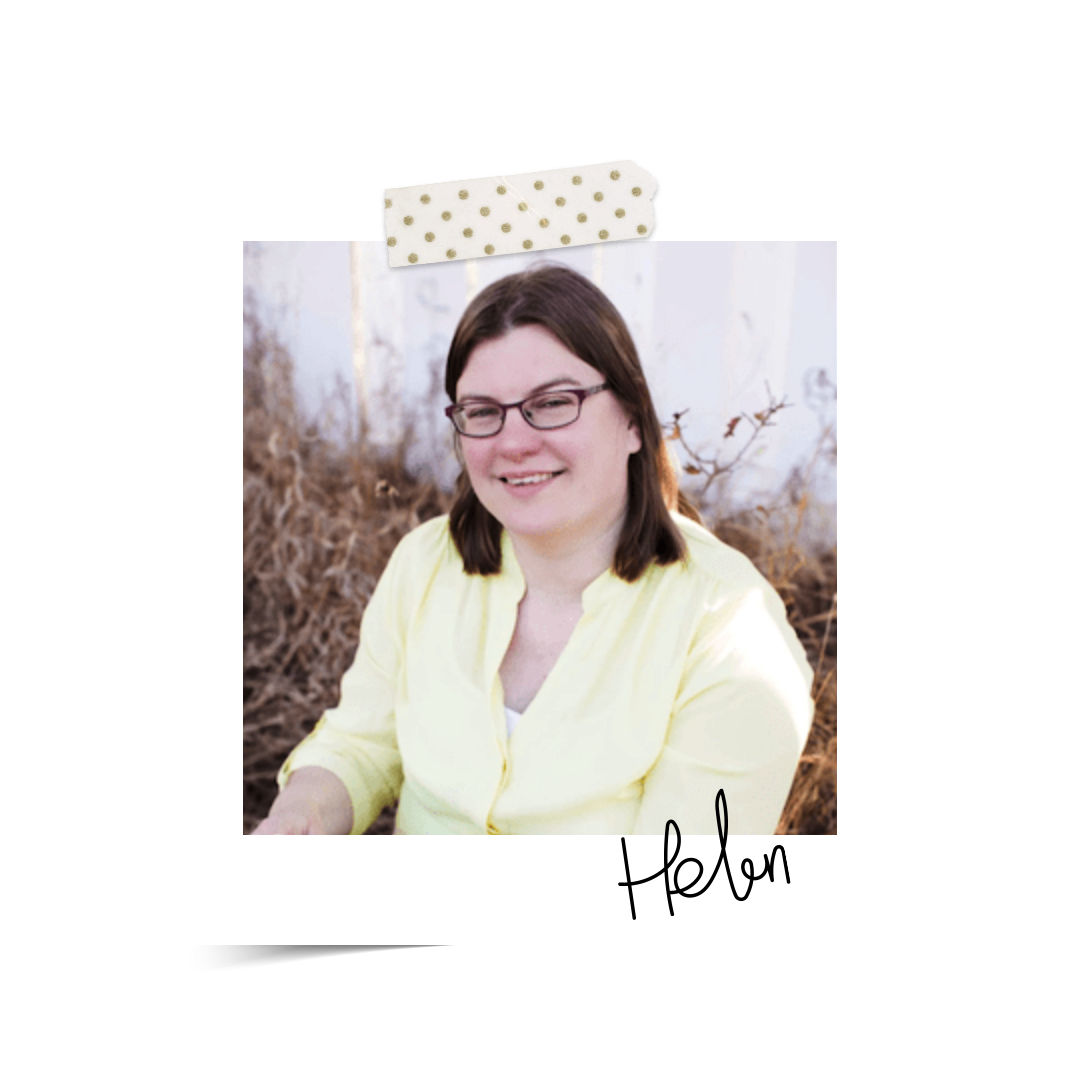
Hi! I’m Helen
I live on the north-east coast of England, UK. I am a mum and wife and enjoy reading and quilting. I started crocheting at 14 years old.
Sunflower Cottage Crochet is dedicated to empowering crocheters of all levels. I provide modern, easy-to-follow crochet patterns and video tutorials that make learning new techniques simple and accessible. My mission is to empower crocheters in their creativity, enabling them to confidently create beautiful projects no matter where they’re at in their journey. Whether it's a beginner seeking out the basics or an experienced enthusiast looking to level up their skills. My vision is for every user to experience the joy of mastering creative expression through crochet!


